



Attending a supervised family visit for the first time can bring questions about what happens, who will be present, and how parents and children will spend their time together. Understanding the process beforehand can help families feel more prepared and comfortable.
Supervised visitation provides a structured environment where parents and children can maintain meaningful relationships while following established visitation requirements. These visits may be part of foster care, family reunification, or another family support arrangement.
Youth & Family Programs provides Family Visitation Services for Youth & Families in Northern California, supporting children and parents throughout Shasta, Tehama, and Butte Counties.
Although every family’s circumstances differ, supervised visits generally involve scheduled parent-child contact with a trained supervisor present. The focus remains on appropriate interaction, positive communication, and the child’s well-being.
Families seeking local support can learn more about Supervised Family Visitation Services in Butte County and how structured visitation helps maintain important family relationships.
Understanding the Purpose of Supervised Visitation
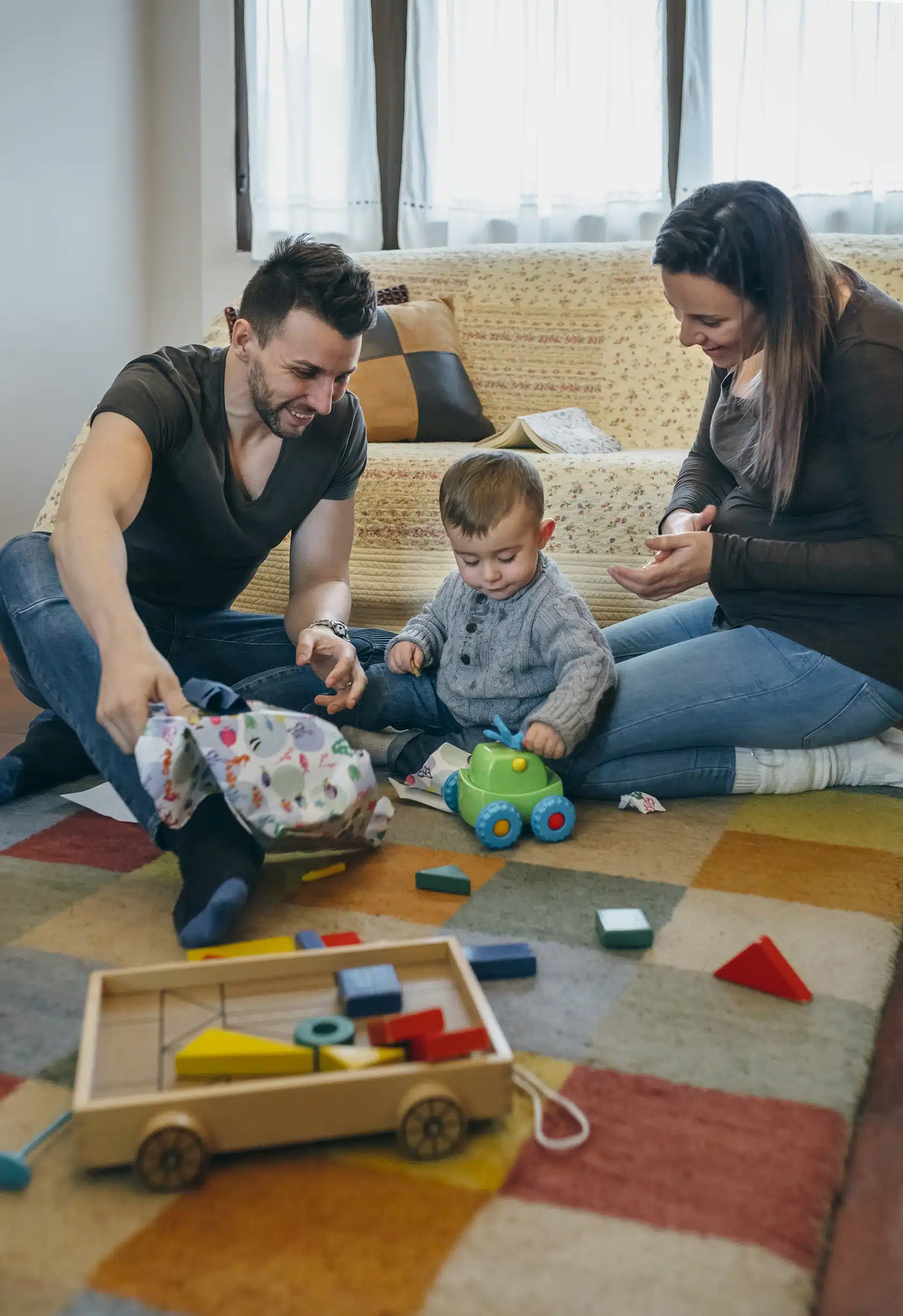 Supervised family visitation allows parents and children to spend time together when additional oversight is required.
A trained supervisor maintains the expectations established for the visit while allowing appropriate parent-child interaction.
These arrangements may be necessary when children are living in foster care, staying with relatives, or experiencing another form of family separation.
The purpose is to provide opportunities for meaningful family contact within a structured setting.
What Happens Before the Visit?
Before attending a supervised visit, parents should confirm the scheduled time, location, and any specific instructions.
Visitation providers may establish guidelines concerning arrival procedures, permitted activities, and appropriate conduct.
Parents should review these expectations and ask questions if anything is unclear.
Planning transportation and arriving on time can help reduce unnecessary stress.
Being prepared allows parents to focus more fully on spending meaningful time with their children.
Who Will Be Present During the Visit?
A supervised family visit generally involves the parent, child, and a trained visitation supervisor.
The supervisor provides oversight according to the family’s established visitation requirements.
Other participants may be permitted depending on the specific arrangement, but families should not assume that relatives or additional visitors can attend without approval.
Caregivers or social workers may also assist with coordinating visitation arrangements.
The exact participants and procedures depend on the family’s circumstances.
What Activities Can Families Do Together?
Supervised visits can include many of the same everyday activities parents and children enjoy together.
Depending on the child’s age and interests, families may:
- Read books or tell stories
- Draw, color, or complete crafts
- Play age-appropriate games
- Work on puzzles
- Discuss school, hobbies, or interests
- Share positive experiences from everyday life
Parents should confirm which activities or materials are permitted before bringing items to a visit.
Meaningful interaction matters more than elaborate activities.
What Does the Visitation Supervisor Do?
The visitation supervisor maintains appropriate oversight throughout the scheduled visit.
Their responsibilities may include observing interactions, reinforcing established guidelines, and responding to concerns when necessary.
The supervisor’s presence helps maintain the required structure while parents and children interact.
Although supervision is provided, families can still participate in natural conversations and approved activities.
Parents should follow the supervisor’s instructions and communicate respectfully throughout the visit.
How Might Children Respond During Visitation?
 Children can experience different emotions before, during, and after supervised visits.
Some may be excited to see their parents, while others may feel uncertain or need additional time to become comfortable.
Parents can help by remaining patient, listening carefully, and allowing children to engage at their own pace.
Younger children may prefer play and familiar activities, while teenagers may want conversations about school, friendships, or personal interests.
Keeping the child’s emotional needs central helps create a more supportive experience.
What Happens at the End of the Visit?
The conclusion of a supervised visit is another important part of the process.
Families are expected to follow established procedures for ending their scheduled time together.
Children may respond differently when it is time to leave, particularly when they are experiencing family separation.
Parents can support the transition by remaining calm, offering encouragement, and following the supervisor’s guidance.
Consistent routines can help families develop clearer expectations for future visits.
How Can Parents Make Visits More Meaningful?
Parents can make the most of supervised visitation by focusing on positive, age-appropriate interaction.
Listening attentively, showing interest in the child’s experiences, and participating in activities together can strengthen family connections.
Parents should avoid unnecessary distractions and remain flexible when children respond differently than expected.
Arriving prepared and following visitation guidelines also helps create a more predictable experience.
The goal is to make constructive use of the available time while supporting the parent-child relationship.
Supervised Visitation and Family Reunification
When reunification is part of a family’s plan, supervised visitation may provide opportunities to maintain and strengthen parent-child relationships.
Regular visits allow parents to demonstrate consistency, practice positive communication, and remain involved in their children’s lives.
Children can continue experiencing familiar connections while other reunification requirements are addressed.
Family Reunification Support involves multiple services, and visitation alone does not determine reunification outcomes.
However, appropriate family contact can contribute to maintaining meaningful relationships throughout the process.
Supervised Family Visitation in Butte County
Youth & Family Programs supports children and families throughout Butte County and surrounding Northern California communities.
Our Family Visitation Services provide structured opportunities for parent-child contact during foster care, family separation, and reunification.
Families can contact Youth & Family Programs to learn more about available services and the expectations associated with supervised visitation.
Learn More About Family Visitation Services
Understanding what to expect during supervised visitation can help families approach their scheduled visits with greater confidence.
Youth & Family Programs provides Supervised Family Visitation and related support services throughout Shasta, Tehama, and Butte Counties.
If you have questions about supervised visitation or would like to learn more about available Family Visitation Services, call our Redding office at 530-365-9197 or our Chico office at 530-893-1614.