



Supervised family visitation allows parents and children to maintain meaningful relationships when circumstances require their time together to be monitored. Whether a child is living in foster care, staying with another caregiver, or experiencing temporary family separation, supervised visits provide a structured environment for continued family connections.
The primary purpose is to support safe, positive parent-child interactions while following established visitation requirements. These visits help parents remain involved in their children’s lives and provide opportunities for children to maintain important family relationships.
Youth & Family Programs provides Family Visitation Services for Youth & Families in Northern California, supporting parents and children throughout Shasta, Tehama, and Butte Counties.
Family separation can disrupt familiar routines and everyday interactions. Regular visitation allows parents and children to communicate, share experiences, and maintain connections during periods of change.
For families seeking local support, Supervised Family Visitation Services in Shasta County provide opportunities for meaningful parent-child contact within an appropriate supervised environment.
Why Is Supervised Family Visitation Important?
 Family relationships contribute to a child’s emotional well-being and sense of belonging. When parents and children live apart, maintaining appropriate contact can help preserve familiarity and strengthen their relationship.
Supervised visitation provides a setting where families can interact while a trained supervisor maintains oversight. This structure allows parents and children to spend time together within their visitation requirements.
Visits also give parents opportunities to demonstrate consistency, practice positive communication, and remain involved in their child’s experiences.
Maintaining Parent-Child Relationships During Separation
One of the main purposes of supervised visitation is helping children maintain relationships with their parents.
Separation can interrupt familiar conversations, routines, and activities. Regular visits provide opportunities for families to continue interacting even when they are not living together.
Parents and children may read books, play games, complete puzzles, discuss school, or enjoy other age-appropriate activities.
These simple interactions help children experience continued parental involvement while giving parents opportunities to listen, encourage, and remain engaged.
Providing a Safe and Structured Environment
Supervised Visitation Services help maintain an appropriate environment for family contact.
A trained visitation supervisor provides oversight according to the family’s established visitation plan. This helps maintain expectations while allowing parents and children to interact.
Structure also creates predictability. When families understand where visits occur, how long they last, and what expectations apply, they can better prepare.
Although every family’s circumstances differ, the focus remains on supporting appropriate parent-child interaction.
Supporting Children in Foster Care
For children living in foster care, maintaining family connections may be an important part of their support plan.
Foster Care Visitation provides opportunities for children to interact with their parents while living in another home.
Children may share school experiences, discuss favorite activities, or simply enjoy spending time together.
Caregivers, social workers, and visitation staff may contribute to coordinating these arrangements, helping create consistency while keeping the child’s well-being central to the process.
Encouraging Positive Parenting Interactions
Supervised family visits give parents opportunities to practice positive communication and age-appropriate interaction.
Parents can demonstrate involvement by listening, responding to their child’s interests, participating in activities, and offering encouragement.
Younger children may enjoy reading or playing together, while teenagers may prefer conversations about school, friendships, or hobbies.
Meaningful visits do not require elaborate activities. Being attentive, patient, and responsive can help create positive experiences.
Supporting Family Reunification
When reunification is part of a family’s plan, supervised visitation may contribute to maintaining and strengthening parent-child relationships.
Regular contact allows families to continue interacting while other reunification goals are being addressed.
Parents can demonstrate consistency, practice positive interactions, and respond to their child’s needs.
Although Family Reunification Support involves multiple services, supervised visitation can provide valuable opportunities for continued connection.
Helping Children Experience Consistency
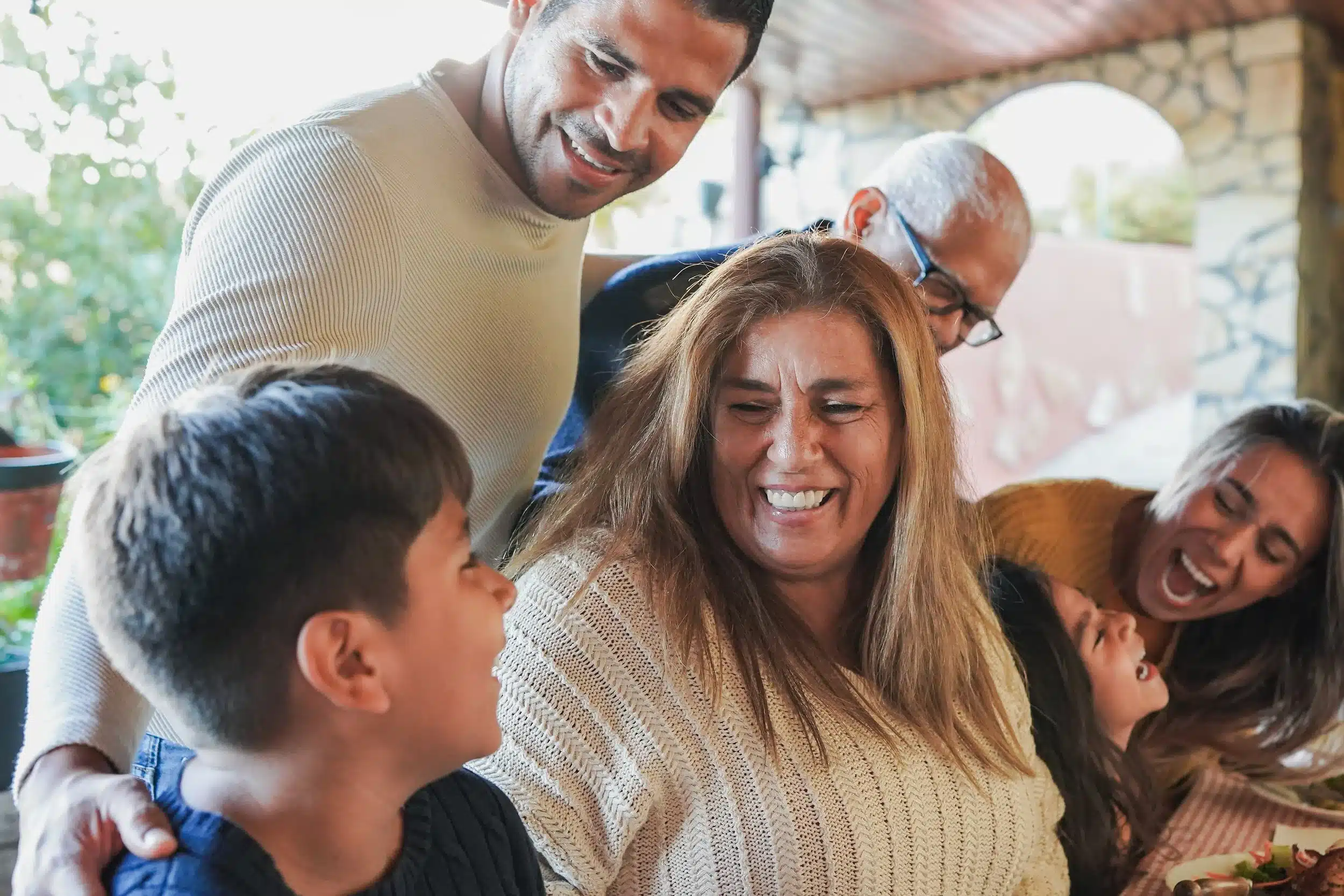
Family separation can introduce unfamiliar routines and uncertainty into a child’s life.
Scheduled visits provide opportunities for familiar interactions and may help children experience greater predictability.
Parents contribute by arriving prepared, following visitation expectations, and remaining focused on their child.
Over time, consistent interactions can help maintain familiarity and support positive family relationships.
What Makes a Supervised Family Visit Meaningful?
A meaningful visit is not necessarily defined by the number of activities completed. The quality of interaction matters more.
Parents can make the most of visitation time by listening, showing interest, and participating in activities appropriate for their child’s age.
Children may want to share accomplishments, ask questions, play, or simply spend quiet time together.
Allowing children to participate at a comfortable pace helps create a more positive experience.
Supervised Family Visitation in Shasta County
Youth & Family Programs supports children and families throughout Northern California, including Shasta County.
Our Family Visitation Services provide structured opportunities for parents and children to maintain important relationships during separation.
Whether visitation involves foster care, reunification, or another family support arrangement, the focus remains on appropriate parent-child contact.
Learn More About Family Visitation Services
Maintaining family connections can make an important difference for children experiencing separation.
Youth & Family Programs provides Supervised Family Visitation and related family support services throughout Shasta, Tehama, and Butte Counties.
If you have questions about supervised visitation or would like to learn more about available Family Visitation Services, call our Redding office at 530-365-9197 or our Chico office at 530-893-1614.