


For foster youth in Shasta County, the transition into adulthood comes with unique challenges and important decisions. One of the most common questions young people and caregivers ask is: when do foster youth actually age out of the system? Understanding this timeline—and the support available along the way—can make a meaningful difference in preparing for a successful and stable future.

The Standard Age: 18
In Shasta County, as in the rest of California, foster youth traditionally age out of the system at 18 years old. At this point, they are legally considered adults and are no longer under the care of the foster system. While turning 18 is an important milestone, it can also feel overwhelming. Many young people are still finishing high school, exploring career paths, or learning how to manage everyday responsibilities like budgeting, cooking, and maintaining a home.
Without the right support, aging out at 18 can lead to challenges such as housing instability, limited job opportunities, or difficulty accessing education. That’s why preparation and early access to resources are so important for youth in foster care.
Extended Foster Care in California
Fortunately, youth in Shasta County have the option to remain in care beyond age 18 through extended foster care California programs. Eligible youth can stay in the system until age 21, giving them additional time to build independence while still receiving guidance and support.
Extended foster care is designed to ease the transition into adulthood. Instead of facing independence all at once, youth can continue developing life skills, pursuing education, and gaining work experience in a structured and supportive environment. This added time can be critical in helping young adults avoid common risks and build a more stable foundation for their future.
To qualify, youth typically need to meet certain participation requirements, such as attending school, working, or engaging in programs that promote employment readiness. These expectations are not meant to create barriers, but rather to encourage growth while maintaining access to essential resources.
The Role of Independent Living Programs
Programs like an independent living program for foster youth play a vital role in helping young people prepare for life after foster care. These programs often begin as early as age 16, offering a structured path for learning practical life skills and gaining confidence.
Through foster youth independent living services, participants receive hands-on training in areas such as budgeting, time management, communication, and household responsibilities. These programs also provide mentorship, helping youth build supportive relationships with adults who can guide them through challenges and celebrate their progress.
An independent living program for 16 year olds gives youth a head start in preparing for adulthood. By the time they reach 18, they are better equipped to handle responsibilities and make informed decisions about their future. Programs like ILP for foster youth also offer workshops, career guidance, and one-on-one support tailored to each individual’s goals.
Housing and Stability After Aging Out
One of the biggest concerns for youth aging out of foster care is housing. Securing safe and stable housing is essential for maintaining employment, continuing education, and building independence.
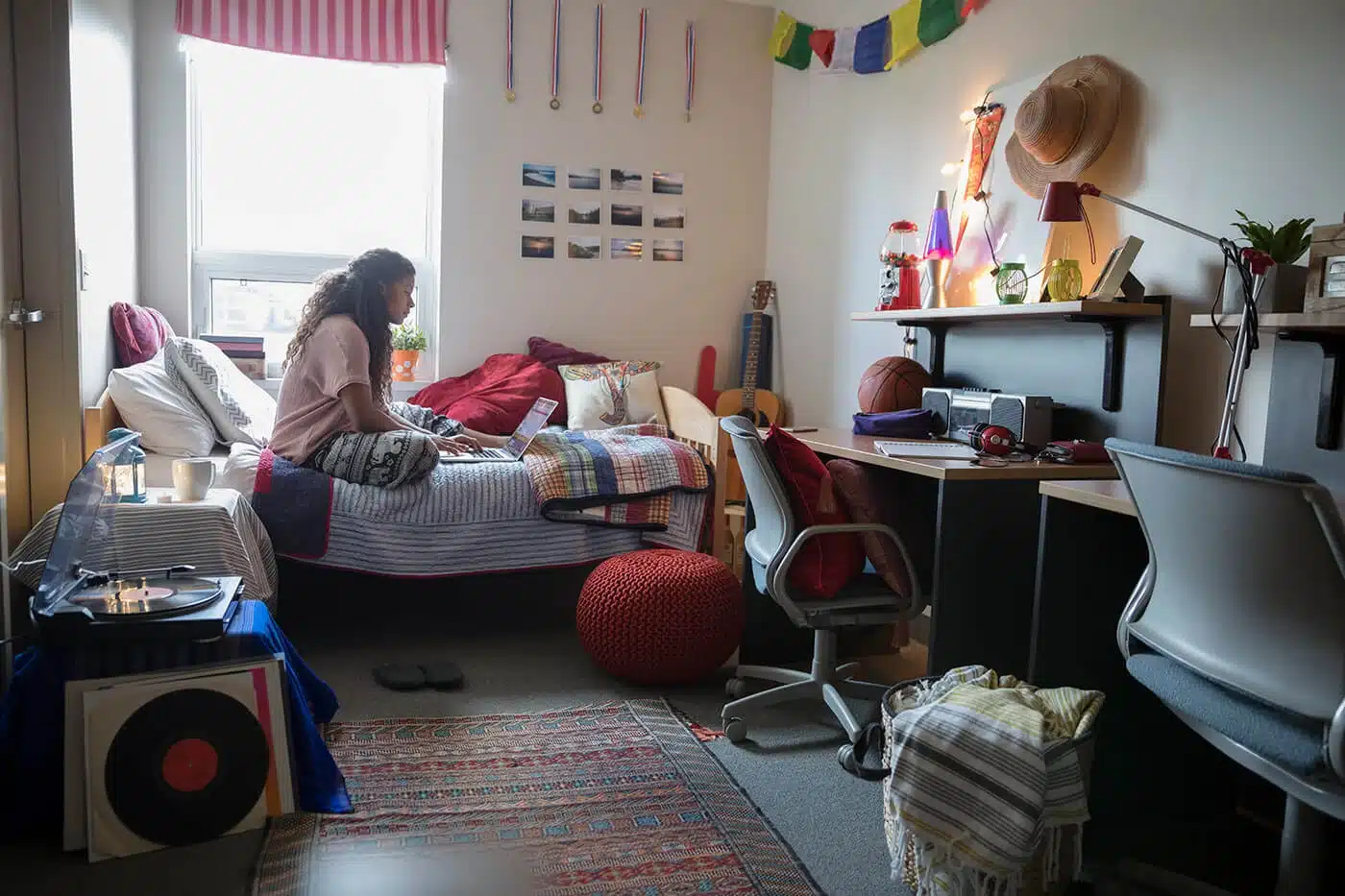
There are several options for housing for youth aging out of foster care, including transitional housing programs and supervised independent living foster youth placements. These options provide a supportive environment where youth can practice living on their own while still receiving guidance from case managers and program staff.
Supervised independent living foster youth placements are especially valuable for those participating in extended foster care. These placements allow young adults to manage their own space while maintaining access to resources, mentorship, and financial support. This balance helps youth build confidence while ensuring they are not navigating challenges alone.
Building a Path to Independence
Aging out of foster care is not just about reaching a certain age—it’s about being prepared for the responsibilities that come with adulthood. That’s where foster youth transition services make a difference. These services focus on helping youth develop the skills, knowledge, and confidence needed to succeed independently.
From career exploration and job readiness to education planning and personal development, transition services provide a comprehensive approach to independence. Youth are encouraged to set goals, explore opportunities, and build a support network that will continue to guide them after they leave the system.
For more detailed information about available resources, visit Support For Youth Aging Out Of Foster Care In Shasta. This page provides insights into local programs and services designed to help youth navigate this important transition.
Additionally, programs like Independent Living for Foster Youth In Shasta and Butte offer a comprehensive look at how youth can access independent living foster care services, including housing, mentorship, and life skills training.
Why the Extra Time Matters
The option to remain in foster care until age 21 can be life-changing. It allows youth to complete their education, gain meaningful work experience, and build a stable living situation before fully transitioning to independence.
Research consistently shows that youth who participate in extended care and independent living programs are more likely to secure stable housing, maintain employment, and pursue higher education. More importantly, they develop the confidence and resilience needed to navigate life’s challenges.
By taking advantage of programs like ILP for foster youth and extended foster care California, young adults can move forward with a stronger sense of direction and support.

Ready to Get Started?
If you or someone you know is preparing to age out of foster care in Shasta County, it’s never too early to explore available resources. Support systems are in place to help youth build independence, find stable housing, and achieve their goals.
To learn more or get connected with services, call:
Call Redding: 530-365-9197
Call Chico: 530-893-1614
With the right support and preparation, foster youth can successfully transition into adulthood with confidence, stability, and a clear path forward.